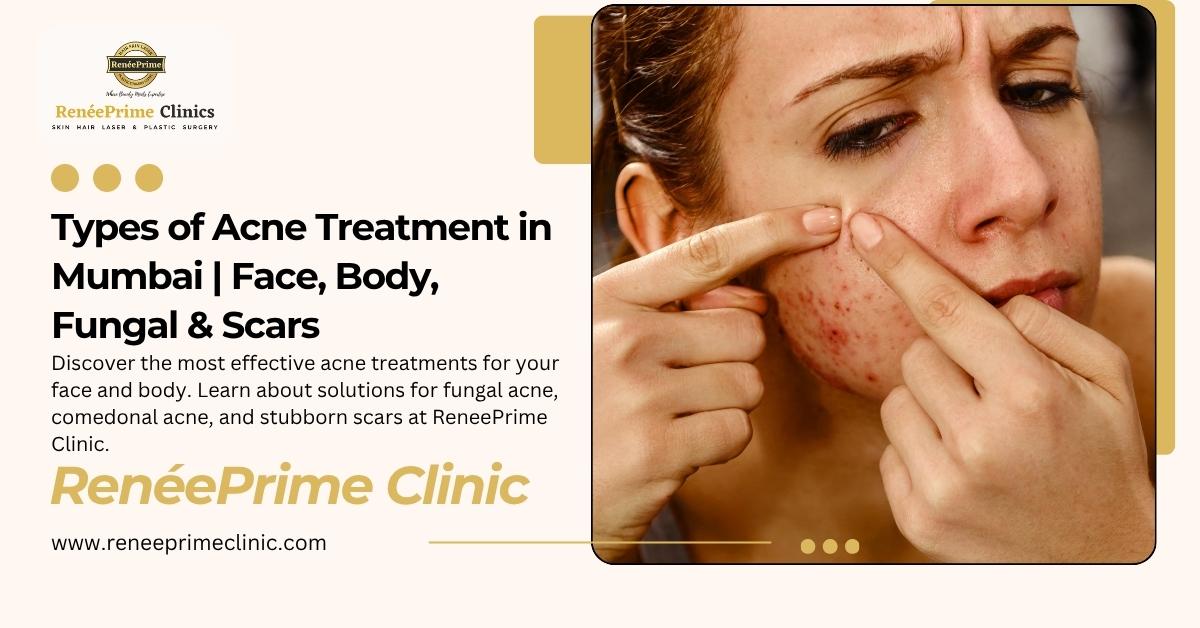
Acne is not a single, straightforward condition. From tiny bumps on the forehead to painful cysts on the back, breakouts come in many forms, each requiring a completely different approach. Using a standard pimple cream for every type of breakout is often why so many people struggle to see long-term results.
Understanding the specific type of acne you have is the crucial first step. Whether you are dealing with facial breakouts, body acne, or the lingering marks left behind, here is a comprehensive guide to the different types of acne, their causes, and the specialized clinical treatments that actually work.
1. Comedonal Acne (Whiteheads & Blackheads)
Comedonal acne is the most common form of non-inflammatory acne. It occurs when pores become clogged with excess sebum (oil) and dead skin cells.
- Blackheads (Open Comedones): The pore remains open, and the trapped debris oxidizes, turning black.
- Whiteheads (Closed Comedones): The pore is closed over, creating a small flesh-colored or white bump.
The Best Solutions: For these surface-level blockages, physical and chemical exfoliation is key. Over-the-counter salicylic acid can help, but professional treatments yield faster, deeper results.
- Chemical Peels: Light to medium peels gently dissolve the top layer of dead skin and unclog pores.
- [Hydrafacial]: A medical-grade resurfacing treatment that cleanses, extracts impurities, and hydrates the skin simultaneously.
- Learn more about targeted care in our specific guide to Comedonal Acne Treatment.
2. Body & Back Acne (“Bacne”)
The skin on your chest, shoulders, and back is thicker and has larger pores than the skin on your face, making it highly susceptible to severe breakouts. Body acne is frequently triggered by sweat, friction from tight clothing, and heavy body lotions.
The Best Solutions: Because body skin is more resilient, it can handle stronger active ingredients.
- Targeted Body Peels: Specialized chemical peels formulated for thicker skin help reduce active inflammation and fade dark spots.
- Laser Therapy: Helps in reducing active bacteria and managing oil production across large areas like the back.
- Struggling with breakouts below the neck? Read our complete breakdowns on Body Acne Treatment and Back Acne Treatment.
3. Fungal Acne (Pityrosporum Folliculitis)
Despite the name, fungal acne isn’t actually acne at all – it’s an infection of the hair follicles caused by an overgrowth of yeast (Malassezia). It typically presents as uniform, itchy, red bumps on the forehead, chest, or back, and it rarely comes to a traditional “head.”
The Best Solutions: Traditional acne treatments (like benzoyl peroxide or antibiotics) will not work on fungal acne and can actually make it worse by disrupting the skin’s natural microbiome.
- Anti-Fungal Protocols: Medical-grade topical or oral anti-fungal treatments are required to clear the yeast overgrowth.
- Skincare Adjustments: Switching to completely oil-free, “fungal-acne safe” products to starve the yeast.
- If your breakouts are itchy and uniform, you might need our specialized Fungal Acne Treatment.
4. Inflammatory & Cystic Acne
When clogged pores become infected with bacteria, they swell into red, tender, and inflamed lesions. Papules and pustules are moderate forms, while nodules and cysts are severe, painful lumps deep beneath the skin.
The Best Solutions: Cystic acne requires immediate professional intervention to prevent permanent skin damage.
- Prescription Medications: Topical or oral prescriptions to target the root hormonal or bacterial causes.
- Advanced Acne Treatment: Customized clinical routines tailored by dermatologists to calm severe inflammation safely and effectively.
5. Acne Scar Solutions
The hardest part of an acne breakout is often the aftermath. Once the active pimple is gone, it can leave behind post-inflammatory hyperpigmentation (dark spots) or atrophic scars (indentations like ice-pick, boxcar, or rolling scars).
The Best Solutions: Treating scars requires stimulating collagen production to rebuild the skin’s texture.
- [Microneedling]: Creates controlled micro-injuries in the skin, triggering the body’s natural healing process to produce new collagen and smooth out indentations.
- [Laser Resurfacing]: Uses focused light therapy to remove damaged skin layers layer by layer, dramatically improving both texture and tone.
- Discover the best options for achieving smooth skin in our comprehensive guide to Acne Scar Treatment.
What Are the Common Triggers for Acne?
Regardless of the type of acne you have, flare-ups are usually triggered or worsened by a few common factors:
- Hormonal Fluctuations: Puberty, menstruation, pregnancy, or conditions like PCOS can cause a surge in oil production.
- Dietary Choices: High-glycemic foods (sugars, refined carbs) and excessive dairy consumption have been linked to increased acne severity in some individuals.
- Stress: High cortisol levels push the sebaceous glands into overdrive.
- Using the Wrong Products: Applying heavy, comedogenic (pore-clogging) makeup or skincare products traps bacteria and oil.
Top Skincare Mistakes That Make Acne Worse
If you are trying to manage your breakouts, make sure you are avoiding these common pitfalls:
- Over-Washing & Over-Scrubbing: Washing your face more than twice a day strips the skin of its natural moisture barrier, causing it to produce more oil to compensate.
- Skipping Moisturizer: Even oily, acne-prone skin needs hydration. Choose a lightweight, oil-free, and non-comedogenic gel moisturizer.
- Popping Pimples: Squeezing pushes bacteria deeper into the skin, increasing inflammation and almost guaranteeing a dark spot or permanent scar.
- Using Too Many Active Ingredients: Mixing strong ingredients like retinol, salicylic acid, and benzoyl peroxide without professional guidance will irritate and burn the skin barrier.
When Is It Time to See a Dermatologist?
While occasional mild breakouts can be managed with over-the-counter washes, you should consult a professional if:
- Your acne is leaving scars or dark spots.
- The breakouts are deep, painful, and cystic.
- Over-the-counter products haven’t worked after 6 to 8 weeks.
- The acne is affecting your self-esteem and daily life.
Why Choose ReneePrime Clinic?
At ReneePrime Clinic, we understand that no two skin profiles are identical. Trying to self-diagnose and treat stubborn breakouts often leads to frustration and damaged skin barriers. By identifying the exact nature of your acne, our dermatologists can build a customized treatment roadmap designed specifically for you.
We prioritise:
- Accurate Diagnosis: Identifying whether you have comedonal, bacterial, hormonal, or fungal acne.
- Holistic Treatment Plans: Combining in-clinic procedures with an effective at-home skincare routine.
- Advanced Technology: Utilizing US-FDA approved equipment for scar reduction and active acne management.
👉 Ready to clear your skin for good? Book your consultation today and let our experts guide you to a customized, science-backed solution.