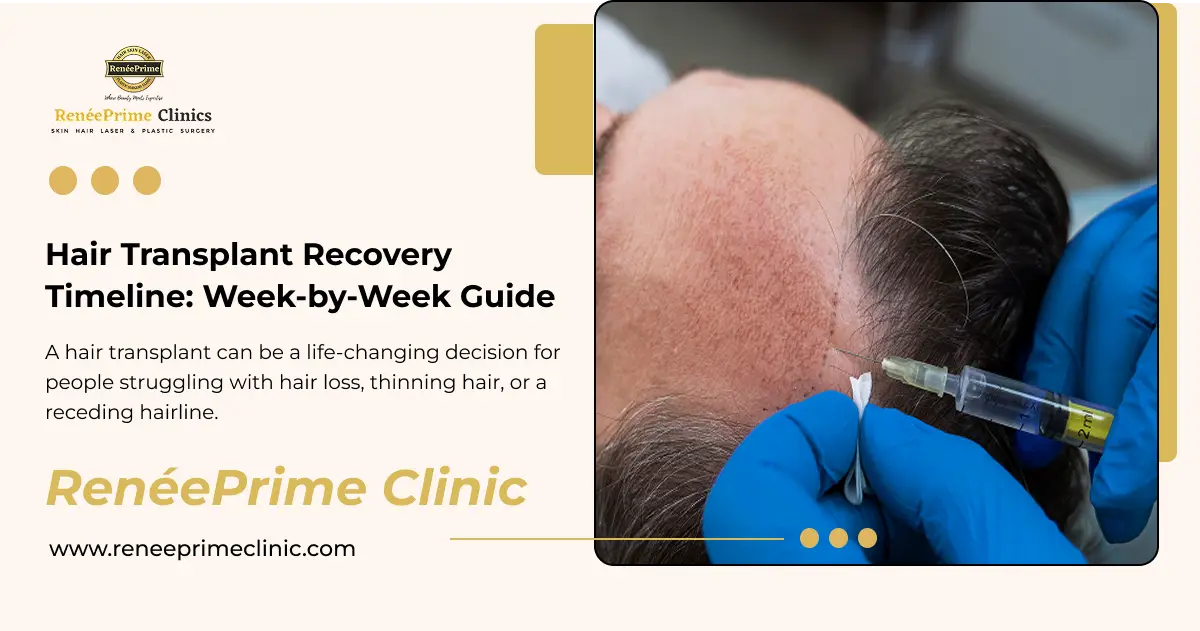
A hair transplant can be a life-changing decision for people struggling with hair loss, thinning hair, or a receding hairline. While the procedure helps restore lost hair and confidence, many patients often wonder what happens after the surgery.
“How long does it take to recover after a hair transplant?” is one of the most common questions asked by patients.
The recovery process is slow, and knowing what to expect at each phase may help you prepare and remain stress-free. From the first few days of healing to seeing visible hair growth, every phase plays an important role in achieving natural-looking results.
This hair transplant recovery timeline will explain what to expect in the following weeks and how proper care will help get the best results.
Why Is Hair Transplant Recovery Important?
A successful hair transplant is not only about the procedure. Recovery following surgery is also crucial.
During a hair transplant, healthy hair follicles are carefully extracted and implanted into areas affected by hair loss. These newly transplanted follicles need time to settle and adapt to their new environment before they start producing new hair.
Following the right aftercare routine helps:
- Protect newly transplanted grafts
- Support faster healing
- Reduce the risk of complications
- Improve the overall outcome
Remember, hair growth takes time. The results are not immediate and take several months to develop.
Hair Transplant Recovery Timeline
First 3 Days After Hair Transplant: Initial Healing Phase
The first few days are the most sensitive period after a hair transplant.
You may notice:
- Mild swelling around the forehead
- Redness on the scalp
- Small scabs around transplanted areas
- Slight itching or tightness
These alterations are part of the healing process.
During this time, it is important to avoid touching or scratching your scalp. The transplanted grafts require some tender loving care due to being settled.
Your doctor may recommend medications, special washing techniques, and precautions to protect the treated area.
Tips During the First Few Days:
- Sleep with your head slightly elevated.
- Take prescribed medicines properly.
- Avoid sweating and heavy activities.
- Shade your head from direct sunlight.
Week 1: Scalp Healing Begins
The swelling will decrease, and the redness will fade. There might remain some small scabs around the transplanted hair.
When patients notice scabs or changes to their appearance, they may feel anxious, but this is normal. Avoid removing scabs forcefully. They will naturally fall off with gentle washing as advised by your doctor.
At this stage, most people can return to normal daily activities, depending on their work routine.
Week 2–4: Shedding and Adjustment Phase
This is the stage where many patients become concerned.
Don’t try to pull off the scabs.
They will wash away naturally, as directed by your doctor, with gentle washing.
Most individuals at this stage can resume their normal daily routine but depending on their day-to-day activities.
During this period:
- The scalp appears more natural-looking.
- Redness is still getting better.
- The follicles get ready to grow new hair.
- This is a very important time where patience is the key.
Month 2–3: The Waiting Period
The resting phase is the second and third months.
Although it may not be obvious, there can be significant activities going on under the scalp during this period.
The follicles are growing and getting stronger in the area where the transplants were made.
Tiny new hairs may be noticed by some patients, and more time is required for others. The growth rate of each individual is unique
.
Don’t compare your progress with another person’s results, as healing will take different lengths of time for different people.
Month 3–6: New Hair Growth Begins
This is usually the most exciting stage for patients.
The new hair begins to grow from the transplanted follicles. At first, the hair may appear thin, soft or uneven.
Don’t worry! As new hair matures, it will grow thicker and stronger.
At around this time, patients many months after the injury may notice:
- Improved hair density
- Better hairline appearance
- More confidence
- Easier hair styling
Your progress is monitored throughout this phase with regular visits to your doctor.
At months 7–12, final results are established.
After the 7th month, the transplanted hair keeps on growing denser and more natural.
You may notice:
- Increased volume
- Improved texture
- Improved coverage in thinning areas
- Natural colour fusion with existing hair colour
Most patients can see most of their final results by about 10-12 months.
Once transplanted, the hair looks like regular hair and is typically manageable and can be washed, trimmed and styled as normal hair.
Here are a few tips to consider for hair transplant aftercare.
Aftercare is a key factor in ensuring protection of your investment and optimal results.
Take meds as prescribed by Your Doctor.
Each patient’s recovery is unique. Never do anything beyond what your hair transplant doctor tells you to do.
Have a healthy diet.
Good nutrition is essential for good hair growth. Include:
- Protein-rich foods
- Fruits and vegetables
- Sources of iron and zinc.
- Adequate vitamins
Don’t smoke or drink alcohol.
Smoking and drinking too much can cause problems with circulation and delay healing.
Protect Your Scalp
Don’t overexpose to the sun and protect the scalp in early recovery.
Be Patient
It’s not possible to assess a hair transplant within a few weeks. It takes a number of months for the growth process to complete, and patience is key.
Most common pitfalls to steer clear of after the hair transplant.
Avoid: To facilitate recovery:
- Roughening the surface of the area that is to be transplanted
- Removing scabs forcefully
- Doing intense workouts too early
- Wearing tight helmets
- Ignoring aftercare instructions
- Missing follow-up appointments
Recovery requires proper care so that there are no problems that could affect the healing process as a result of small mistakes during recovery.
Conclusion
The recovery process from a hair transplant is a gradual one that requires time and patience, along with proper care. The first few weeks are dedicated to healing, but new hair growth slowly begins after that over the next few months. Eating healthy and sticking to your doctor’s recommendations can yield better results.
ReneePrime Clinic offers cutting-edge hair transplant techniques, ensuring that you receive the highest level of care and expertise throughout your journey to regrowth. Speak with our experts and get a head start to achieve results that are healthier, natural and beautiful.